
Composting Tips
Simple Ways to Reduce Food Waste in New Canaan
Composting is one of the easiest ways to reduce waste and support a healthier environment. Whether you compost at home or use the Transfer Station, keeping food scraps out of the trash makes a real impact.
Why It Matters
- Food waste in landfills creates methane-a greenhouse gas far more potent than C02
- Composting reduces tipping fees associated with hauling municipal trash
- Compost-enriched soil supports plant growth and significantly improves water infiltration and retention in yards and gardens.
Start Simple
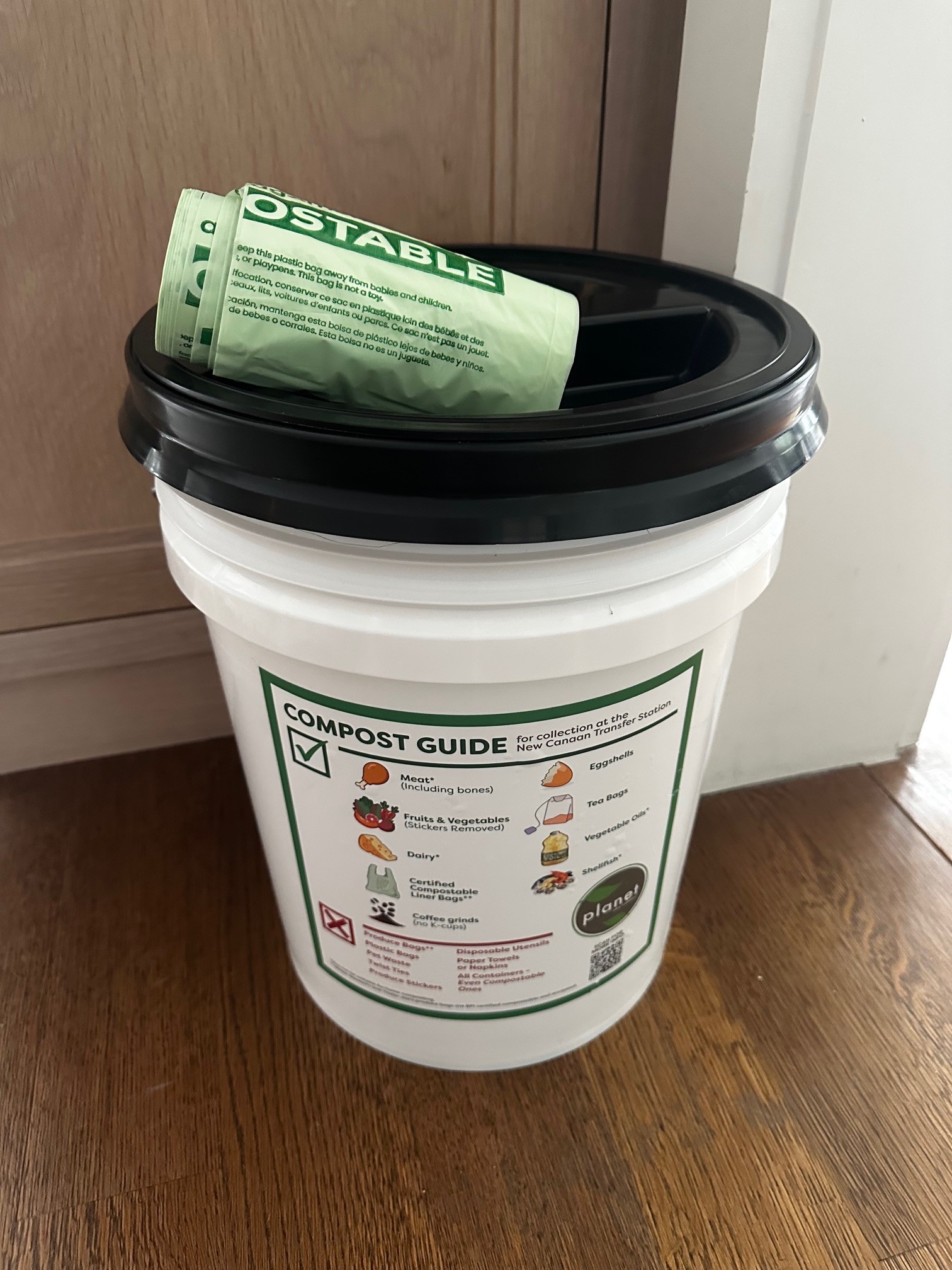
Planet New Canaan now offers a Zero Waste Kitchen Kit for just $15 (a $30 value)— everything you need to get started.
What’s included:
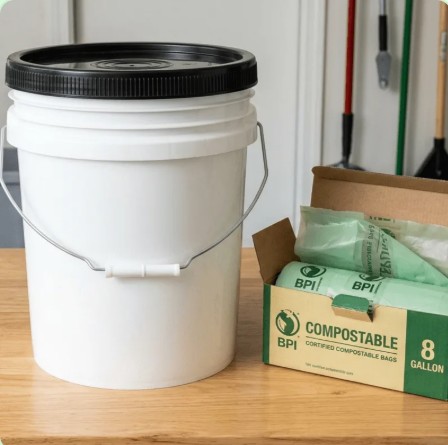
• 5-gallon food-safe bucket with secure lid (odor-locking)
• 25 BPI certified compostable liner bags
• Simple guide to accepted items at the Transfer Station
Use it in your kitchen to collect scraps—then choose the composting option that works best for you.
Choose Your Composting Method
Composting at Home:
Best for: Gardeners and hands-on composters
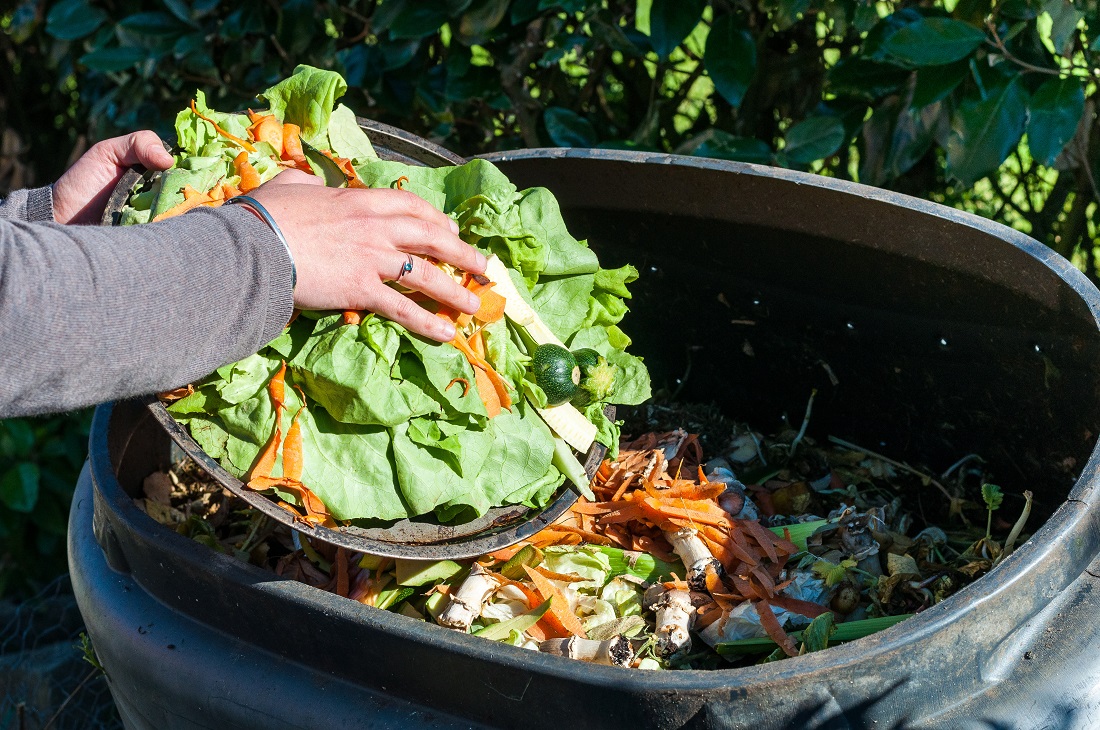
For those who want to reduce food waste and gain the added benefit of producing compost for your garden or lawn, start composting at home.
• Compost fruit and vegetable scraps outdoors
• Create nutrient-rich compost for your garden or lawn
• No trips to the Transfer Station required
• Requires space and occasional maintenance


Transfer Station Drop-Off
Best for: Convenience and all food types
For those looking for a simple, no-maintenance way to reduce food waste, the Transfer Station program makes it easy. Just bring your food scraps along with your regular trash—no backyard composting required.
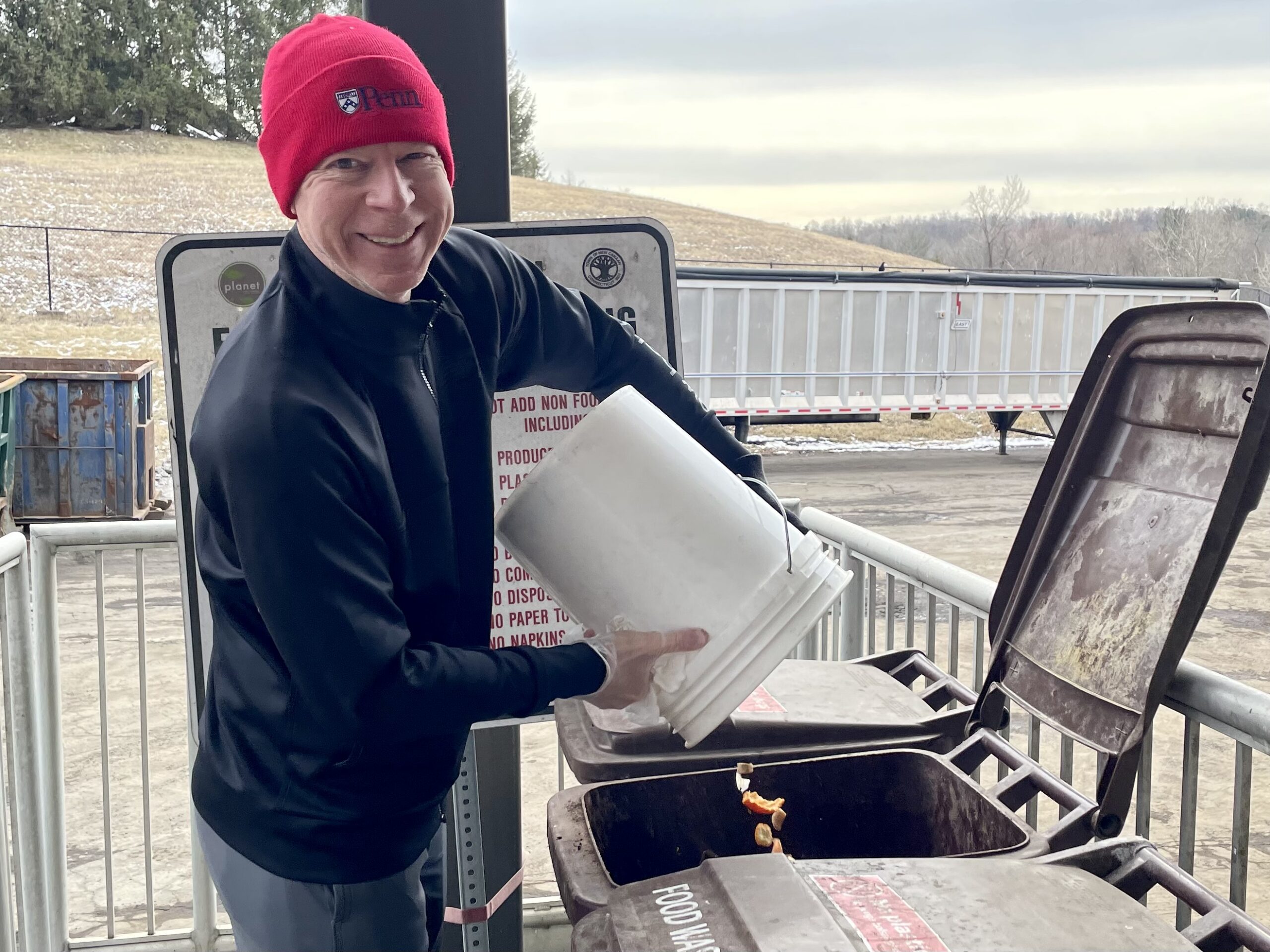
• Bring food scraps when you take out your trash
• Accepts all food: fruits, vegetables, meat, dairy, bones
• No maintenance or backyard space needed
• Free to Transfer Station permit holders
• Professionally composted into reusable material
Composting Tips for Success
Small habits make a big difference. Follow these simple tips to make composting part of your routine:
• Keep it simple: Start with a small container in your kitchen
• All food, only food: No plastic or packaging
• Use compostable liners (optional): Look for BPI-certified bags
• Reduce odors: Keep lids sealed and empty regularly
• Make it routine: Bring scraps with your regular trash trips
FAQs
Can bags be used in the food scrap bins?
Certified BPI-compostable bags are allowed as well as plain brown paper bags without a lining.
Can I throw my food scraps in the bin without putting them in a compostable bag?
Yes, scraps do not need to be put in a bag, they can be put in loose in bins.
Can I put food scraps in a produce bag?
Most green produce bags are not compostable. Only BPI-certified compostable bags can be composed. To help our Food Scrap program, Walter Stewart’s has changed all their produce bags to BPI-certified compostable bags. Trader Joe’s also has compostable bags (but not all of them are compostable).
Please check the produce bag before including it with your food scraps. Many stores have green produce bags which will say “Green Friendly” and a chasing arrow recycling symbol; however these bags are made of plastic and do not go into the bin.
Can I put in compostable plates, cups, utensils, etc.?
No, at this time, our food scrap program only accepts food scraps and compostable bags.
Are paper towels allowed in the food scrap bins?
No. Other programs may allow them but paper towels, white or brown, are not allowed in our food scrap bins.
I have lobster shells, can they go into the food scrap bins?
Yes, shellfish shells are allowed in the food scrap bins.
I have pumpkins left over from Halloween, can they go into the food scrap bins?
Yes, but please chop up the pumpkins to save space within the bins. If you live somewhere with woods, consider throwing the pumpkins into the woods, where they will become food for wildlife such as deer, squirrels and chipmunks. Please put painted pumpkins in the trash.
Can I put meat scraps into the food scrap bins?
Yes, as the food scraps are sent off to an industrial composter, we are able to accept meat scraps and bones. If you have a compost pile at home, avoid adding meat as a home compost pile will not get hot enough to kill the bacteria and will attract wildlife -- the kind of wildlife you don’t want to attract.
Do cut flowers go into the bins?
Yes, cut flowers can go into the bin. Please make sure they are free of rubber bands or twisty ties.
What is the difference between Food Scrap Program and Compost at the Transfer Station?
Compost is the end-product of the composting process. The Transfer Station has an area with "Compost" which is the leaf compost available to all residents (regardless of Transfer Station pass status). Compost is available for pick-up and use in their own gardens. The Food Scrap Recycling bins are taken away by Curbside Compost. We do not receive the end-product but our goal is to keep food scraps out of the municipal waste stream and turned into a useful product.
Stickers on my produce, can they be composted?
No, please remove them when possible.
Is pet food accepted?
Yes, dog and cat food can go into the food scrap bins but pet waste is NOT permitted and should be put in the garbage.
Planet New Canaan
P.O. Box 121
New Canaan, CT 06840
Email: [email protected]